
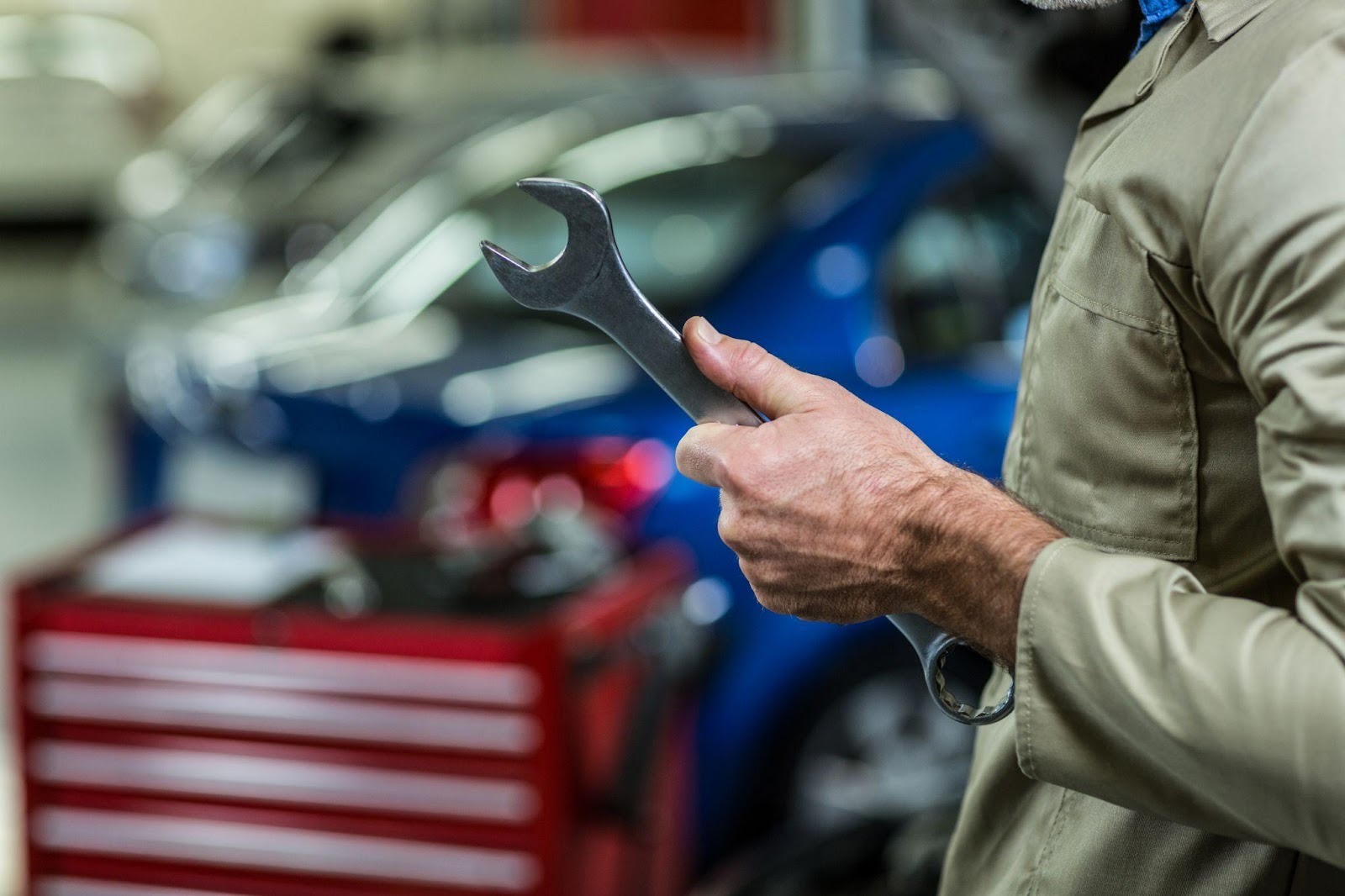
German vehicles are engineered with structural precision, where mechanical balance, calibrated tolerances, plus coordinated system integration define long-term operational stability. Every component operates within defined stress limits, meaning maintenance quality directly influences durability outcomes. Reliability is not accidental but emerges from consistent mechanical preservation, diagnostic clarity, plus proper servicing methodology applied over time.
Owners often begin their evaluation process by searching for a Volkswagen service center near me, reflecting an awareness that the maintenance environment affects reliability trajectory. However, the mechanical variables governing vehicle longevity extend far beyond location convenience. These variables include service accuracy, diagnostic interpretation, component compatibility, plus adherence to engineering standards designed specifically for German automotive platforms.
Engineering Tolerance Sensitivity in German Automotive Systems
German automotive engineering operates within narrow tolerance bands, meaning components must interact with precise alignment plus calibrated resistance levels. Even minor deviations in torque application, fluid specification, or installation precision can introduce gradual instability. Over time, such deviations accelerate wear patterns, reduce efficiency, plus compromise structural equilibrium within interconnected systems.
Maintenance quality determines whether these tolerances remain preserved or gradually deteriorate. Proper servicing ensures correct torque calibration, compatible materials, plus procedural accuracy aligned with manufacturer engineering logic. Without adherence to these principles, mechanical harmony weakens, increasing long-term repair probability while reducing predictable vehicle reliability.
Diagnostic Accuracy as a Foundation for Mechanical Preservation
Modern German vehicles rely heavily on sensor-driven systems that regulate engine timing, fuel delivery, emissions control, plus transmission behavior. These sensors provide real-time feedback, enabling performance optimization while detecting early deviations. Diagnostic accuracy ensures these signals are interpreted correctly, preventing misidentification of root mechanical issues.
Owners searching for VW servicing near me often focus on accessibility, yet diagnostic capability remains the defining factor behind effective maintenance. Accurate diagnostics identify emerging issues before structural damage develops. Early detection reduces repair complexity, preserves system integrity, plus supports long-term mechanical stability.
Role of Electronic Diagnostic Tools in Identifying Mechanical Stress
Electronic diagnostic systems communicate with control modules to evaluate system behavior under operational conditions. These tools reveal deviations in airflow balance, ignition timing, plus emission performance. Early detection allows technicians to address underlying causes rather than symptoms.
Without proper diagnostic evaluation, small irregularities can evolve into major mechanical failures. Diagnostic tools therefore function as preventive instruments, supporting reliability preservation while maintaining operational efficiency across interconnected automotive systems.
Sensor Calibration and Its Influence on Engine Efficiency
Sensors regulate critical functions such as air-fuel ratio, ignition timing, plus thermal management. Calibration ensures sensors deliver accurate readings, allowing systems to operate within intended efficiency parameters. Misaligned calibration results in fuel inefficiency, reduced power stability, plus gradual mechanical stress.
Maintenance procedures that include calibration verification support mechanical equilibrium. This preserves engine responsiveness while preventing unnecessary strain on interconnected systems, ultimately contributing to long-term operational reliability.
Preventive Diagnostics and Long-Term Structural Stability
Preventive diagnostics identify wear patterns, pressure inconsistencies, plus performance deviations before functional breakdown occurs. Early intervention reduces cumulative mechanical stress while preserving structural integrity. This preventive approach aligns with engineering principles designed to extend vehicle lifespan.
Ignoring early diagnostic indicators increases repair complexity, often resulting in broader system disruption. Preventive evaluation therefore functions as a protective mechanism supporting long-term mechanical resilience.
Environmental and Operational Variables Affecting Component Longevity
Environmental exposure significantly influences mechanical durability, particularly in urban driving environments. Heat cycles, airborne contaminants, moisture exposure, plus traffic-induced stress gradually affect mechanical components. These variables accelerate wear in braking systems, suspension assemblies, plus cooling mechanisms.
Urban environments introduce additional stress due to frequent stopping, uneven road surfaces, plus fluctuating operating temperatures. Owners researching a Volkswagen service center in Gurgaon often encounter region-specific challenges related to environmental conditions. Maintenance approaches must account for these external variables to preserve structural integrity plus performance stability.
Thermal Expansion and Mechanical Fatigue
Repeated heat exposure causes metal components to expand plus contract, gradually weakening structural strength. This process affects engine assemblies, exhaust systems, plus cooling infrastructure. Over time, thermal fatigue contributes to material degradation.
Maintenance procedures that include inspection of heat-affected components reduce long-term structural risk. Early identification prevents unexpected mechanical failures while preserving operational stability.
Contaminant Exposure and System Degradation
Dust, moisture, plus airborne contaminants infiltrate mechanical systems, affecting lubrication quality plus internal component surfaces. Contamination accelerates friction, reduces efficiency, plus increases wear rates. Filtration system maintenance plays a critical role in preventing contamination-induced damage.
Proper maintenance ensures contaminants do not compromise mechanical performance. This supports consistent system operation while extending component lifespan.
Driving Patterns and Mechanical Stress Distribution
Driving behavior influences wear distribution across mechanical systems. Frequent braking, rapid acceleration, plus stop-and-go traffic create uneven stress patterns. These patterns accelerate degradation in suspension, braking, plus transmission systems.
Maintenance aligned with driving conditions ensures stress-affected components receive timely attention. This preserves mechanical balance while supporting consistent reliability outcomes.
Component Compatibility and Replacement Precision
Component replacement quality significantly affects mechanical stability. German vehicles require parts designed to meet specific structural plus performance criteria. Incompatible components introduce alignment deviations, friction inconsistencies, plus reduced system efficiency.
Precision replacement ensures compatibility with existing mechanical architecture. This maintains structural balance while preserving performance consistency. Proper installation methods also prevent unintended stress, supporting long-term operational reliability.
Final Thoughts on Preserving Mechanical Reliability Through Specialized Maintenance
Long-term German vehicle reliability depends on preserving mechanical balance through accurate diagnostics, compatible components, plus preventive maintenance. These variables influence structural integrity, performance consistency, plus overall durability outcomes. Maintenance environments that prioritize engineering alignment contribute significantly to sustained reliability.
Facilities that provide specialized car repair service infrastructure, advanced diagnostic equipment, plus technical expertise support effective mechanical preservation. Organizations such as Smooth Your Drive focus on systematic inspection, preventive diagnostics, plus engineering-aligned servicing approaches. These factors help maintain structural stability while supporting predictable long-term automotive reliability.
About the Author


