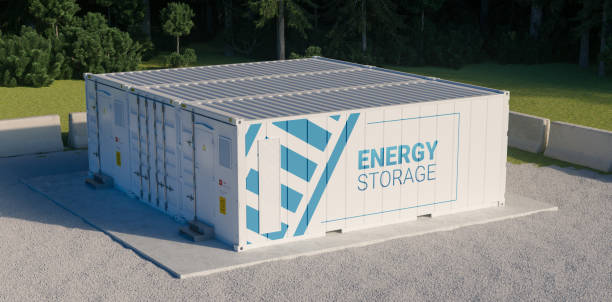
Modern technology is increasingly dependent on efficient energy storage, and at the heart of this transformation lies the lithium ion battery, which has reshaped how energy is stored, transported, and consumed across industries. From electric vehicles to portable electronics and renewable energy grids, these systems rely heavily on advanced material engineering that operates at a microscopic level to ensure stability, efficiency, and long-term performance.
The Foundation of Modern Energy Systems
Energy storage has become one of the most critical pillars of modern infrastructure. As societies shift toward electrification, renewable energy, and smart devices, the demand for compact and efficient storage solutions continues to rise. What makes this transition possible is not just battery design, but the evolution of materials that support electrochemical stability.
Inside every energy storage unit, layers of engineered materials work together to control ion flow, manage heat, and maintain structural integrity. These layers are not visible to the user, yet they determine how long a device lasts, how safely it operates, and how efficiently it delivers power under varying conditions.
Material Science Behind Energy Conversion Efficiency
The performance of any energy storage system depends on how well it can convert and store energy without significant loss. This is where material science plays a defining role. Electrodes, separators, and conductive additives must work in harmony to ensure smooth electron movement while minimizing resistance.
In recent years, researchers have focused on improving conductivity and stability by modifying surface structures and introducing carbon-based enhancements. These improvements allow batteries to charge faster, discharge more efficiently, and maintain performance over thousands of cycles.
The evolution of these systems is not just about energy density but also about safety, durability, and thermal balance under real-world usage conditions.
Conductive Layers Shaping Electrode Performance
One of the most important aspects of battery efficiency is the ability of electrodes to conduct electricity effectively. Poor conductivity leads to energy loss, heat buildup, and reduced battery life. To solve this, manufacturers use specialized coatings that enhance electron movement across surfaces.
A key development in this area is carbon black coating, which improves conductivity by creating a uniform network for electron transfer. This network reduces resistance and ensures smoother energy flow within the battery structure. By enhancing surface contact between active materials and conductive additives, it significantly improves overall performance.
This approach has become a standard in advanced energy systems where efficiency and reliability are critical. It also allows manufacturers to optimize electrode performance without increasing the size or weight of the battery.
Surface Engineering and Industrial Optimization
Beyond electrodes, surface engineering plays a major role in improving material durability and performance. Industrial processes now rely on finely tuned coatings that enhance adhesion, protect against corrosion, and improve conductivity in specialized applications.
In this context, carbon powder coating has emerged as a valuable technique for enhancing material surfaces used in energy systems and industrial components. It provides a fine, evenly distributed layer that improves both conductivity and surface stability.
This technique is particularly useful in environments where components are exposed to repeated thermal cycling and mechanical stress. By improving surface resilience, it helps extend the operational life of energy storage systems and related industrial equipment.
Structural Design of Advanced Battery Systems
The internal structure of modern energy storage devices is carefully engineered to maximize efficiency while maintaining safety. Each layer serves a specific function, from energy storage and transfer to thermal regulation and mechanical protection.
Within a lithium ion battery, the arrangement of anode, cathode, and electrolyte layers determines how effectively ions move during charging and discharging cycles. Even small improvements in material composition can lead to significant gains in performance and lifespan.
Engineers continuously refine these structures to reduce internal resistance and improve energy density without compromising safety. This balance is essential in applications where high power output and long cycle life are required.
Thermal Management and Operational Stability
Heat is one of the biggest challenges in energy storage systems. As batteries charge and discharge, internal resistance generates heat that must be effectively managed to prevent performance degradation or safety risks.
Advanced carbon-based materials help distribute heat more evenly, preventing localized hotspots that can damage internal components. This thermal regulation ensures that energy storage systems remain stable even under heavy load conditions or rapid charging cycles.
Effective heat management also contributes to longer battery life, making it a crucial factor in the design of next-generation energy solutions.
Expanding Applications Across Industries
Energy storage systems are no longer limited to small electronic devices. They now power electric vehicles, renewable energy storage grids, industrial machinery, and even large-scale backup systems for critical infrastructure.
In electric mobility, batteries must deliver high energy output while maintaining safety under constant motion and varying environmental conditions. In renewable energy systems, they must efficiently store excess power generated by solar and wind sources for later use.
These expanding applications are driving continuous innovation in material science, pushing engineers to develop more efficient and durable solutions that can perform reliably under diverse conditions.
Innovation in Carbon-based Energy Materials
The future of energy storage is closely linked to advancements in carbon-based materials. These materials offer a unique combination of conductivity, stability, and scalability, making them ideal for high-performance applications.
Researchers are exploring new ways to enhance electrode behavior, improve surface interactions, and reduce energy loss through advanced carbon structures. These innovations are expected to play a major role in next-generation storage systems that are faster, safer, and more sustainable.
As energy demands continue to grow, material engineering will remain at the core of technological progress, shaping how power is stored and delivered across industries.
Conclusion
Energy storage systems represent one of the most important technological advancements of the modern era, and their performance depends heavily on innovations in material science. From conductivity improvements to thermal management and structural design, every layer contributes to overall efficiency and reliability.
As research continues to evolve, companies like Birla Carbon remain an integral part of the global shift toward advanced carbon-based solutions that support the future of energy storage and sustainable innovation, especially in areas involving carbon black coating.
About the Author