In modern construction, interior wall finishing has become just as important as structural strength. A well-finished wall not only enhances visual appeal but also contributes to long-term durability and maintenance efficiency. Among the many materials available today, gypsum-based products have emerged as a preferred solution for achieving superior wall surfaces.
The expertise of a gypsum plaster company in India plays a crucial role in ensuring consistent quality, smooth application, and long-lasting performance across residential, commercial, and industrial projects.
The Growing Importance of Gypsum Plaster in Modern Construction
Traditional plastering methods, such as cement-sand mixtures, have been widely used for decades. However, these methods often require longer curing times, skilled labor, and multiple finishing layers. In contrast, gypsum plaster offers a more advanced and efficient alternative.
Gypsum is a naturally occurring mineral that is processed into a fine powder. When mixed with water, it forms a smooth paste that can be easily applied to walls and ceilings. Once it sets, it creates a hard, uniform surface that is ideal for painting or decorative finishes.
This shift toward gypsum-based systems is largely driven by the construction industry’s demand for faster, cleaner, and more efficient solutions that do not compromise on quality.
How Surface Smoothness is Achieved with Gypsum Plaster
One of the most important benefits of gypsum plaster is its ability to create exceptionally smooth surfaces. Surface smoothness is critical because it directly affects paint adhesion, aesthetic appeal, and overall finishing quality.
Gypsum particles are extremely fine, allowing them to spread evenly across wall surfaces without leaving rough textures or uneven patches. This self-leveling property helps reduce the need for additional wall putty or correction layers.
A professional gypsum plaster company ensures that the material maintains uniform consistency, which helps contractors achieve flawless finishes even on large surfaces. This reduces manual effort and improves project efficiency significantly.
Smooth surfaces also reflect light more evenly, making interiors appear brighter and more refined, which is especially important in modern architectural designs.
Enhancing Durability Through Advanced Material Composition
Durability is a key concern in any construction project. Walls are exposed to environmental changes, moisture variations, and structural movements over time. Gypsum plaster helps address these challenges effectively.
When applied correctly, gypsum forms a dense and compact layer that resists cracking and shrinkage. Unlike traditional plaster, which may develop cracks due to drying stresses, gypsum maintains dimensional stability during setting.
Additionally, it provides better thermal insulation, helping interiors remain stable in varying temperatures. This reduces the risk of expansion and contraction-related damage.
Improved Workability and Faster Construction Timelines
Time efficiency is a major factor in modern construction projects. Gypsum plaster significantly reduces project timelines due to its quick-setting properties.
Unlike cement plaster, which requires days of curing, gypsum can be finished and painted in a much shorter time. This allows contractors to complete interior work faster and move on to subsequent stages without delay.
A reliable gypsum plaster company ensures consistent particle size and quality control, which improves workability on-site. Contractors benefit from smoother application, reduced material wastage, and better coverage per unit of material.
These advantages collectively contribute to faster project delivery and improved productivity.
Cost Efficiency and Market Considerations
Construction materials are often evaluated based on both performance and cost. One commonly discussed factor in the industry is plaster of paris powder price, which varies depending on quality, purity, and application requirements.
While gypsum-based materials may appear slightly more expensive initially compared to traditional plastering options, they offer long-term savings. This is due to reduced labor requirements, faster application, and minimal need for additional finishing materials.
For example, gypsum plaster eliminates the need for sand mixing, extensive curing, and multiple leveling coats. This reduces both material and labor costs, making it a financially viable solution for large-scale construction projects.
Over time, the durability and reduced maintenance needs further enhance its cost-effectiveness.
Applications Across Residential and Commercial Projects
Gypsum plaster is widely used across different construction sectors due to its versatility and performance benefits. Some common applications include:
- Interior wall finishing in residential apartments and villas
- Ceiling designs and false ceiling systems
- Office buildings and corporate interiors
- Hotels, malls, and retail spaces
- Hospitals and educational institutions
- Renovation and remodeling projects
Its adaptability makes it suitable for both new construction and refurbishment work. In renovation projects, gypsum plaster is especially useful for leveling uneven surfaces and restoring damaged walls.
Role of Quality Control in Gypsum Plaster Production
The performance of gypsum plaster depends heavily on manufacturing quality. A well-established gypsum plaster company ensures strict quality control measures during production.
Key quality parameters include:
- Purity of raw gypsum mineral
- Consistent particle size distribution
- Controlled setting time
- Proper moisture resistance balance
- Strength and adhesion properties
These factors ensure that the final product performs reliably under different site conditions. Poor-quality plaster can lead to cracking, weak bonding, and uneven surfaces, which is why quality assurance is essential.
Why Gypsum Plaster is Preferred in Modern Architecture
Modern architecture emphasizes clean lines, smooth finishes, and minimalistic designs. Gypsum plaster supports these requirements by offering a flawless base for paint and decorative coatings.
Architects and designers prefer gypsum because it allows greater flexibility in achieving aesthetic finishes. Whether it is matte, glossy, or textured paint, gypsum provides an ideal surface for all types of interior design concepts.
Its ability to maintain consistency across large wall areas also ensures visual uniformity, which is essential in premium construction projects.
Conclusion
Gypsum plaster has revolutionized interior wall finishing by offering a combination of smoothness, durability, efficiency, and cost-effectiveness. A gypsum plaster company in India plays a vital role in delivering high-quality solutions that ensure flawless surfaces while reducing construction time and maintenance requirements, making it an essential material in modern building practices. As construction standards continue to evolve, gypsum-based solutions remain a trusted choice for achieving high-quality interiors that are both visually appealing and structurally strong.
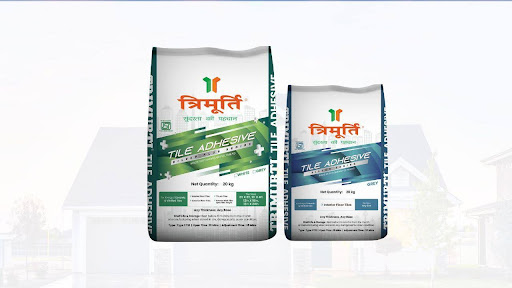
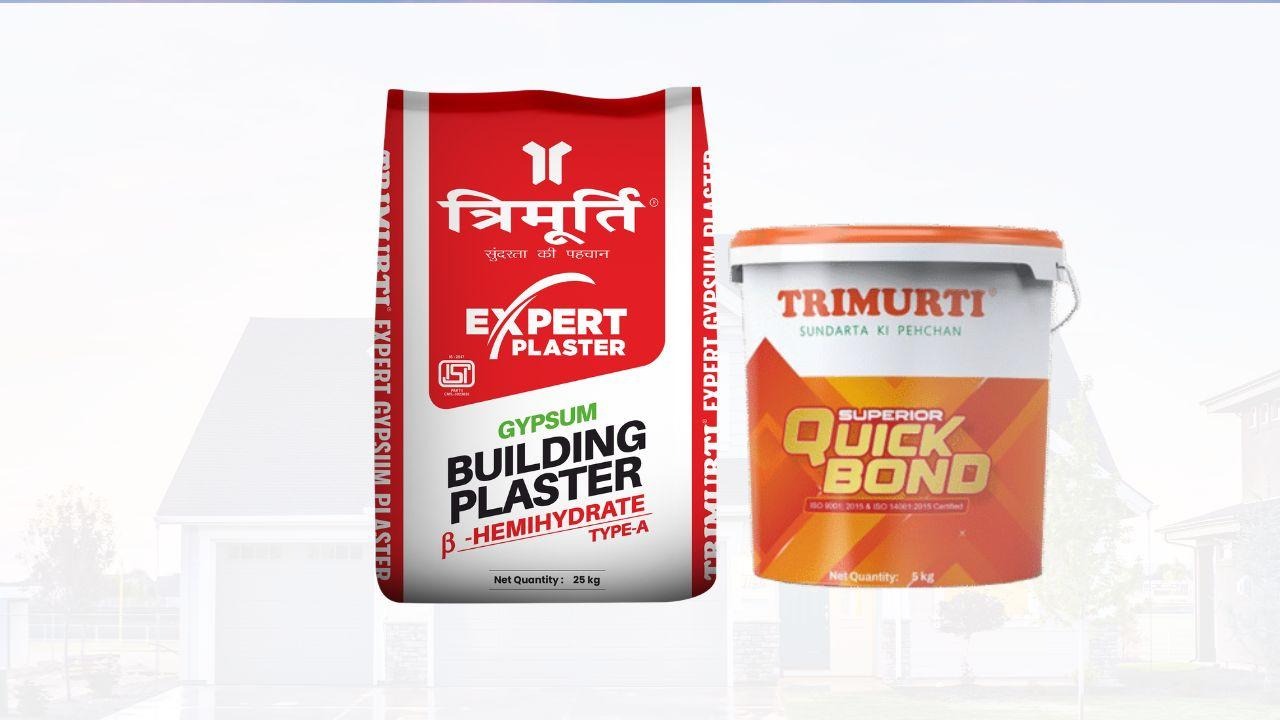
In the construction industry, trusted material quality plays a key role in achieving lasting results. Trimurti delivers advanced construction material solutions focused on strength, precision, and long-term performance, including Trimurti tile grout. With high-quality gypsum-based products, Trimurti helps builders and contractors achieve smooth wall finishes, efficient execution, and durable outcomes. Their solutions ensure consistent application and reliability across residential, commercial, and industrial construction projects throughout India.
About the Author