
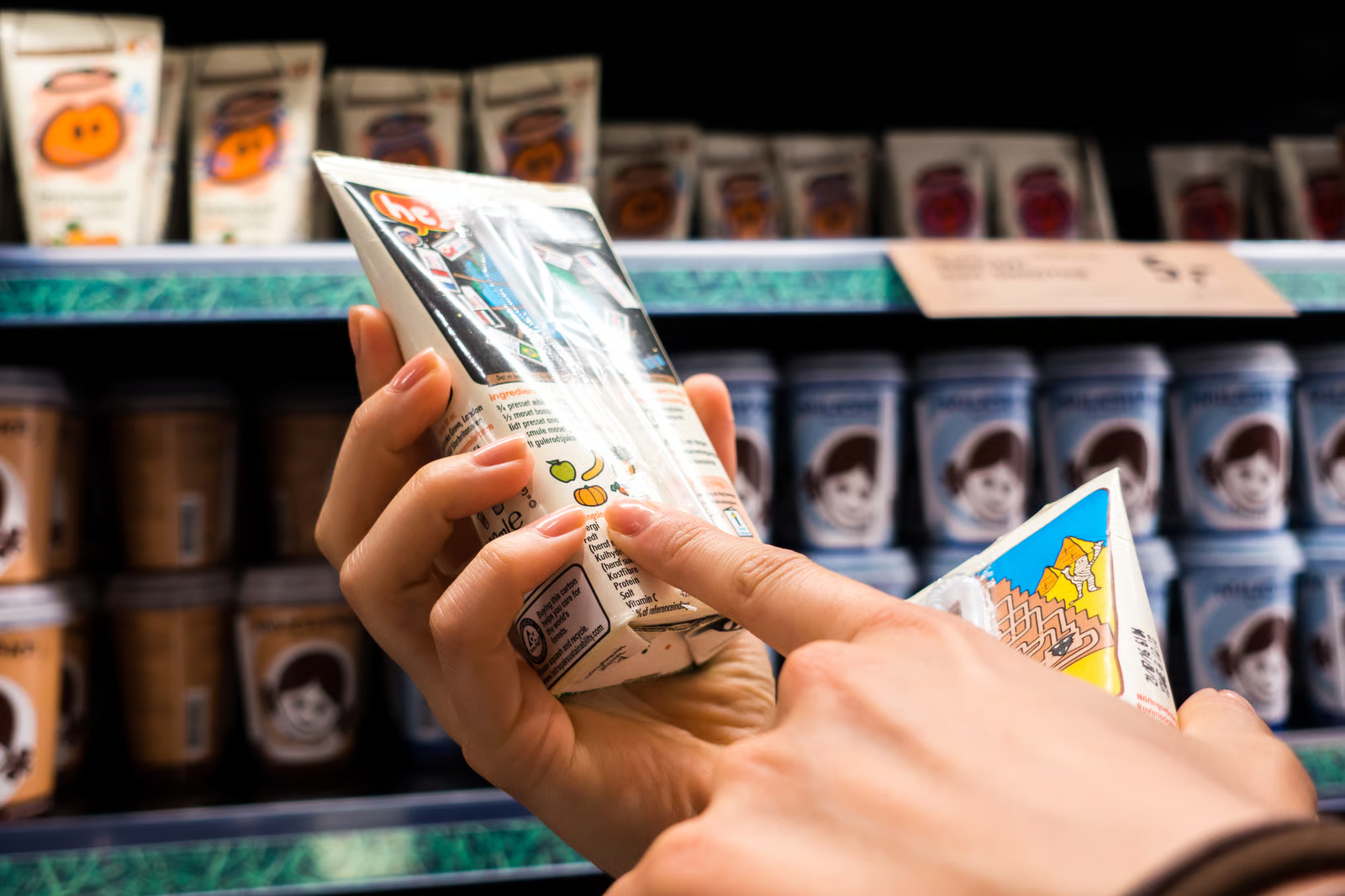

In retail, first impressions matter. Product packaging serves as the silent salesperson on crowded shelves, with labels playing a crucial role in attracting attention and conveying trust. Well-designed food labels on packaging not only highlight brand identity but also provide essential information to consumers efficiently. The visual appeal, clarity, and functional aspects of labels directly influence purchasing decisions, making intelligent label design a critical aspect of product success.
Strategic Use of Color and Typography
Colors and typography are more than just visual choices; they communicate product type, brand personality, and product quality instantly. Labels that use these elements strategically can stand out even in competitive retail environments.
- Color psychology influences consumer perception
Different hues evoke specific emotions and signal product categories. For example, green is often associated with natural or healthy products, while red conveys boldness and urgency. Thoughtful color selection helps attract the intended audience and enhances recognition among similar products. - Typography ensures clarity and readability
Choosing legible fonts allows consumers to quickly understand product information such as ingredients or nutritional facts. Clean, modern typefaces reduce confusion, while font hierarchy guides attention to critical details first, creating a seamless reading experience. - A combination of color and typography strengthens branding
Harmonizing colors and fonts reinforces brand consistency across product lines. This cohesion makes it easier for consumers to recognize the brand instantly, increasing shelf impact and building trust over time.
Material Selection and Label Durability
Durable substrates protect printed information and maintain aesthetic appeal even under challenging storage conditions.
- Water-resistant and moisture-proof materials protect information
Many food products are exposed to refrigeration or condensation during handling and storage. Selecting moisture-resistant materials ensures that printed details remain legible and vibrant over time, reducing the risk of peeling or damage. - Surface adaptability supports diverse packaging types
Food packaging varies from glass jars and plastic bottles to cardboard cartons. Flexible label materials ensure proper adhesion to different surfaces, preventing wrinkles, bubbles, or misalignment. - Material finish enhances visual appeal
Matte, gloss, or textured finishes can elevate the perceived value of a product. A carefully selected finish can attract attention, reflect brand identity, and complement the product’s packaging aesthetics.
Clear Information Layout for Consumer Engagement
Smart label designs focus on clarity to improve usability. Structured layouts allow consumers to access essential information quickly while maintaining visual appeal. In the packaging and labelling of food products, organizing information effectively ensures that consumers can identify key product details without confusion, creating a seamless and trustworthy experience.
- Logical arrangement of information improves comprehension
Grouping key details such as product name, flavor, or nutritional content helps consumers process information efficiently. Organized layouts reduce cognitive load and make the label more user-friendly. - Highlighting critical information captures attention
Using bold text, icons, or color accents draws focus to essential elements like allergens or certifications. This prioritization enhances trust and helps consumers make informed choices quickly, supporting both safety and brand credibility. - Whitespace enhances readability
Adequate spacing between text, graphics, and icons prevents overcrowding. Whitespace improves legibility and makes the overall design feel balanced and professional, which is crucial in ensuring effective packaging and labelling of food products.
Compliance and Functional Elements
Labels serve regulatory as well as marketing purposes. Integrating compliance requirements seamlessly ensures that information is accurate while preserving the label’s visual impact.
- Incorporating nutritional and ingredient information accurately
Accurate presentation of nutritional values and ingredients is essential for consumer safety and legal compliance. Smart design integrates these details without overwhelming the visual aesthetics. - Batch codes and expiry dates remain visible and readable
Proper placement and durable printing techniques ensure critical information withstands handling and storage conditions. This supports traceability and strengthens consumer trust. - Functional features such as peel-off sections or QR codes enhance usability
Including interactive or functional elements can enrich the consumer experience. QR codes for additional product information or peel-off sections for portion control improve engagement without cluttering the design.
Brand Identity and Shelf Differentiation
Intelligent design choices ensure that products not only comply with regulations but also communicate brand values and stand out among competitors.
- Consistent brand elements reinforce recognition
Logo placement, signature colors, and familiar visual motifs help create brand consistency. Consumers quickly identify products across multiple categories, which strengthens brand loyalty. - Unique design features enhance shelf impact
Special finishes, die-cut shapes, or embossed elements create visual distinction. These features attract consumer attention and encourage exploration of the product on crowded shelves. - Messaging communicates quality and value
Taglines, icons, or descriptive visuals convey product benefits subtly. Smart label design ensures messaging aligns with the target audience’s expectations and reinforces purchase motivation.
Integration with Packaging Strategy
Labels work in tandem with the overall packaging to ensure both aesthetics and functionality. They must complement the product container while conveying information efficiently.
- Design harmony with packaging shapes and materials
Labels should align with the contours and textures of the container. Proper alignment improves visual appeal and prevents edge lifting or distortion, maintaining a polished product presentation. - Enhancement of product presentation on shelves
Well-coordinated labels accentuate the container, improving the product’s overall visual impression. A cohesive design between packaging and label ensures higher shelf visibility and attractiveness. - Support for multi-product lines through adaptable designs
Consistent label themes across different product variations help establish a recognizable range. This supports brand identity while allowing individual products to communicate unique features or flavors effectively.
Optimizing Labels for Consumer Convenience
Practical considerations are part of smart label design. Labels must remain functional for consumers while maintaining durability and readability throughout the product lifecycle.
- Easy-to-read fonts and clear icons enhance usability
Clear visual cues and readable text improve the consumer’s ability to identify product details quickly. Practical design decisions enhance the overall shopping experience. - Labels withstand handling without compromising information
Durable adhesives, protective coatings, and robust materials prevent peeling or smudging. This ensures the label remains intact from storage to the point of consumption. - Integration with digital tools enhances functionality
Incorporating scannable codes or interactive elements allows consumers to access additional product information or promotions. These features increase engagement while keeping the label compact and readable.
Conclusion
Implementing smart label designs that balance aesthetics, clarity, and shelf impact requires technical expertise and creativity. Carefully chosen materials, thoughtful typography, and visually compelling layouts help products stand out while maintaining compliance and usability.
A trusted expert in the field, such as the team at Stars Labels, provides comprehensive solutions that combine design expertise, material knowledge, and professional production processes. Their offerings, including high-quality skincare label printing, demonstrate precision and attention to detail across both food and personal care industries.
About the Author

